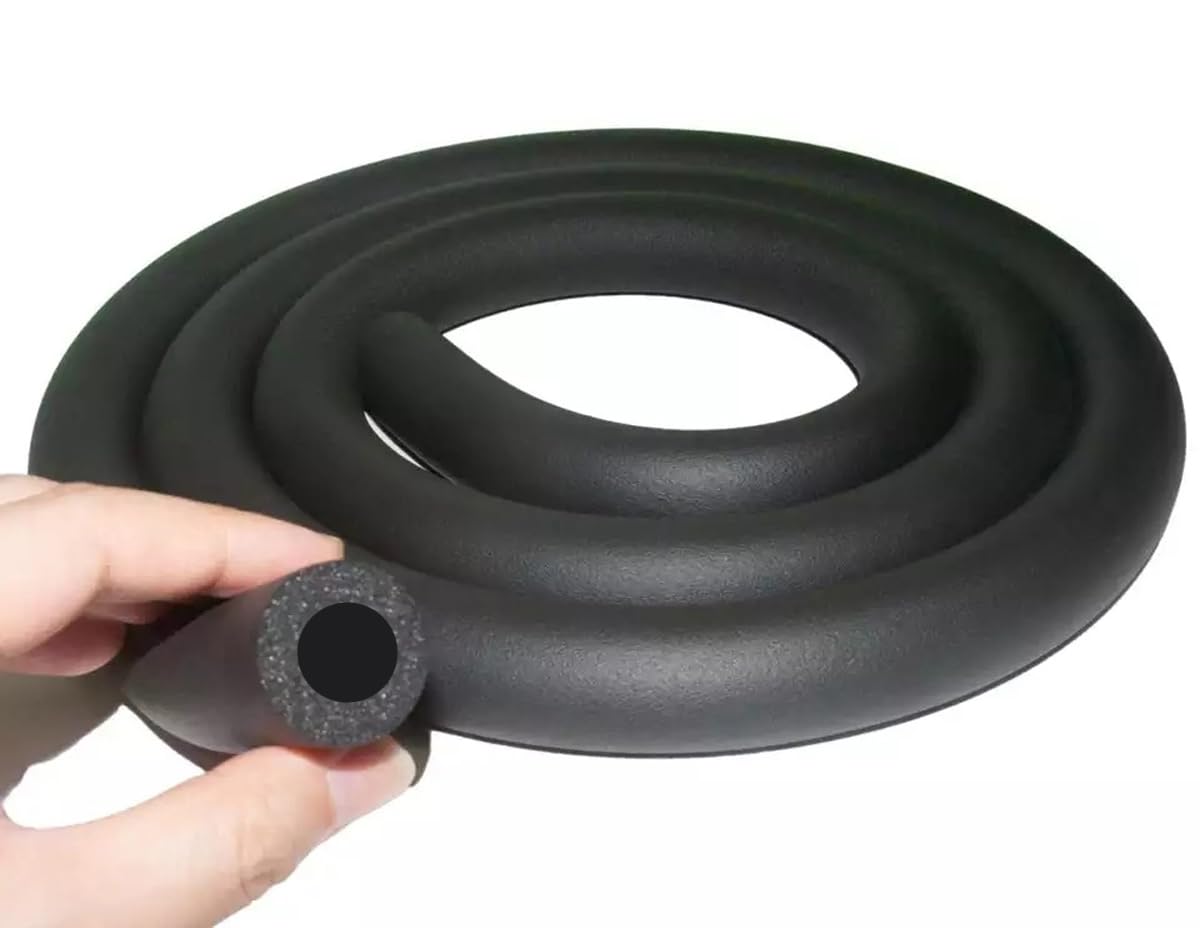
1 Copper Pipe Insulation for HVAC, Plumbing and Industrial Systems
1 copper pipe insulation is essential for maintaining thermal efficiency, preventing condensation and protecting one-inch copper pipes used in HVAC, plumbing and industrial piping systems. Because copper transfers heat rapidly, proper insulation is critical to control temperature loss in hot water systems and heat gain in chilled water and air-conditioning lines.
In commercial buildings and industrial facilities, 1 copper pipe insulation is considered a standard requirement for energy efficiency, safety and long-term system performance.
What is 1 Copper Pipe Insulation?
1 copper pipe insulation refers to thermal insulation materials specifically sized to fit copper pipes with a nominal diameter of 1 inch. These insulation products are designed to wrap tightly around the copper pipe, creating a thermal barrier between the pipe surface and surrounding environment.
Such insulation is widely used on hot water lines, chilled water piping, HVAC refrigerant lines and industrial utility systems.
Why 1 Copper Pipe Insulation is Necessary
Uninsulated 1-inch copper pipes can cause significant energy loss, condensation formation and surface temperature hazards. In chilled systems, moisture condensation can lead to corrosion and building damage. In hot water systems, heat loss increases energy consumption. 1 copper pipe insulation addresses these issues effectively.
Key Functions of 1 Copper Pipe Insulation
- Reduces heat loss and heat gain
- Prevents condensation and moisture damage
- Improves overall energy efficiency
- Protects copper pipes from external corrosion
- Enhances system safety and durability
Materials Used for 1 Copper Pipe Insulation
Elastomeric Rubber Insulation
Elastomeric rubber is the most common material used for 1 copper pipe insulation in HVAC and chilled water systems. Its closed-cell structure provides excellent thermal resistance and vapor barrier performance.
Polyethylene (PE) Foam Insulation
PE foam insulation is widely used for 1 copper pipe insulation in residential and light commercial plumbing applications due to its ease of installation and cost-effectiveness.
Cross-Linked Polyethylene (XLPE)
XLPE insulation offers enhanced mechanical strength and temperature resistance, making it suitable for exposed and commercial installations requiring durable 1 copper pipe insulation.
Fiberglass Insulation with Jacket
Fiberglass insulation is used for high-temperature applications where 1 copper pipe insulation must withstand elevated operating conditions, such as industrial hot water and process lines.
Recommended Thickness for 1 Copper Pipe Insulation
| Application | Recommended Thickness |
|---|---|
| Domestic hot water lines | 9–13 mm |
| HVAC chilled water systems | 13–19 mm |
| Commercial HVAC piping | 19 mm |
| Industrial process piping | 19 mm and above |
Standards Applicable to 1 Copper Pipe Insulation
1 copper pipe insulation materials should comply with recognized international standards to ensure performance and safety:
- ASTM C534 – Elastomeric insulation materials
- ASTM C547 – Mineral fiber insulation
- EN 14304 – Thermal insulation for building equipment
- ASHRAE guidelines – HVAC insulation practices
Copper pipes themselves typically conform to ASTM B88 or ASTM B280 depending on application.
Installation Best Practices for 1 Copper Pipe Insulation
Proper installation ensures the full benefit of 1 copper pipe insulation. Insulation must cover the entire pipe length, including bends and fittings. Joints should be sealed using compatible adhesive or insulation tape to prevent vapor ingress.
Outdoor installations require UV-resistant jackets or protective coverings to prevent insulation degradation.
Applications of 1 Copper Pipe Insulation
HVAC & Chilled Water Systems
- Chiller supply and return lines
- Air-conditioning refrigerant piping
Plumbing & Hot Water Systems
- Hot water distribution networks
- Solar water heating systems
Industrial & Utility Piping
- Process heating and cooling lines
- Power plant utility piping
Advantages of Using 1 Copper Pipe Insulation
- Lower energy losses and reduced operating costs
- Prevention of condensation-related damage
- Extended service life of copper piping
- Improved system performance and safety
- Compliance with energy efficiency regulations
Quality Control for 1 Copper Pipe Insulation
High-quality 1 copper pipe insulation is tested for thermal conductivity, moisture resistance, fire performance and durability. Thickness and density checks ensure consistent performance over the system lifespan.
Conclusion
1 copper pipe insulation is a critical component in HVAC, plumbing and industrial piping systems. By minimizing heat transfer and preventing condensation, it significantly improves energy efficiency, protects infrastructure and enhances system reliability.
When properly selected and installed, 1 copper pipe insulation delivers long-term performance, safety and energy savings across residential, commercial and industrial applications.