Best Copper Pipe Insulation – Materials, Benefits & Complete Guide
Selecting the best copper pipe insulation is essential for optimizing the performance and longevity of copper piping used in plumbing, HVAC systems, hot water distribution and industrial thermal applications. Without proper insulation, copper pipes—due to their high thermal conductivity—quickly lose heat in hot water systems or gain heat in chilled water and refrigeration systems. The right insulation choice not only reduces energy losses but also protects against condensation, corrosion and structural damage in building systems.
This comprehensive guide explores the key materials, performance characteristics, installation practices and industry applications associated with the best copper pipe insulation solutions used by engineers, contractors and facility designers in residential, commercial and industrial projects.
Understanding Best Copper Pipe Insulation
The term best copper pipe insulation refers to insulation materials that provide the highest thermal resistance (R-value), moisture protection, durability and ease of installation when applied to copper piping. The ideal insulation material depends on the specific service conditions, such as operating temperature range, ambient exposure, moisture conditions and compliance with codes.
Proper insulation reduces thermal bridging, minimizes energy losses, prevents condensation on cold surfaces and contributes to overall system efficiency and occupant comfort.
Why You Need Best Copper Pipe Insulation
Copper’s excellent thermal conductivity is beneficial for heat transfer applications, but uninsulated copper pipes can significantly degrade system performance when transferring hot or cold fluids. In hot water systems, heat loss leads to increased energy consumption and longer wait times. In chilled water or HVAC systems, cold pipes can form condensation, which can lead to mold growth, corrosion and damage to adjacent components. Choosing the best copper pipe insulation mitigates these issues while improving system safety and reliability.
Key Functions of Best Copper Pipe Insulation
- Minimizes heat loss and heat gain across temperature-sensitive piping
- Prevents condensation, moisture infiltration and surface corrosion
- Lowers operational energy consumption and reduces utility costs
- Protects copper pipes from mechanical damage and environmental exposure
- Enhances occupant safety by lowering surface temperatures
Top Materials Used in Best Copper Pipe Insulation
Elastomeric Rubber Insulation
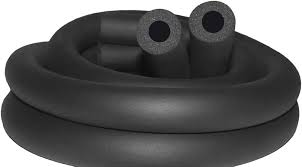
Elastomeric rubber is widely regarded as among the best copper pipe insulation options for HVAC and refrigeration applications. Its closed-cell structure provides high thermal resistance while acting as an effective vapor barrier, preventing moisture ingress. Elastomeric insulation is flexible, durable, resistant to mold and mildew, and suitable for both indoor and outdoor applications.
Polyethylene (PE) Foam Insulation
Polyethylene foam insulation is a lightweight and cost-effective option frequently used in residential and light commercial hot water systems. It delivers good thermal resistance and is easy to install, making it a popular choice where moderate moisture resistance and thermal performance are acceptable as part of the best copper pipe insulation solutions.
Cross-Linked Polyethylene (XLPE) Insulation
Cross-linked polyethylene offers enhanced thermal stability, mechanical strength and higher resistance to temperature extremes compared to standard PE. It is often selected as one of the best copper pipe insulation materials for commercial buildings, rooftop installations and applications where mechanical protection is critical.
Fiberglass Insulation with Protective Jacket
Fiberglass insulation provides high thermal resistance and is typically used in industrial or commercial environments where significant temperature control is required. Combined with a protective jacket, fiberglass insulation provides excellent condensation control and mechanical protection, making it a strong contender among the best copper pipe insulation options for thermal process piping and large-scale HVAC systems.
Comparing Materials for Best Copper Pipe Insulation
| Insulation Type | Thermal Performance | Moisture Resistance | Best Applications |
|---|---|---|---|
| Elastomeric Rubber | High | Excellent | HVAC, Refrigeration, Chilled Water |
| PE Foam | Moderate | Moderate | Residential Plumbing, Hot Water |
| XLPE Foam | High | High | Commercial HVAC & Exposed Pipes |
| Fiberglass with Jacket | Very High | Good (with jacket) | Industrial Piping |
Recommended Thickness for Best Copper Pipe Insulation
Selecting the correct insulation thickness is key to achieving the performance expected from the best copper pipe insulation. The appropriate thickness depends on pipe diameter, operating fluid temperatures and ambient conditions. Below are typical industry guidelines:
- 6 mm–9 mm: Residential hot water and plumbing applications
- 9 mm–13 mm: Standard HVAC chilled water and duct piping
- 13 mm–19 mm: Commercial HVAC and hydronic systems
- 19 mm and above: Industrial process piping and exposed exterior applications
Greater insulation thickness improves energy conservation and condensation control, especially in humid or outdoor conditions.
Standards for Best Copper Pipe Insulation
Insulation materials that qualify as the best copper pipe insulation should comply with internationally recognized standards to ensure performance, safety and durability:
- ASTM C534 – Specification for elastomeric insulation materials
- ASTM C547 – Specification for mineral fiber insulation
- EN 14304 – Thermal insulation products for building equipment
- ASHRAE Guidelines – Thermal insulation design and energy efficiency
The copper pipes themselves frequently conform to standards such as ASTM B88 or ASTM B280, depending on application type (water, gas, HVAC refrigerant).
Installation Best Practices for Best Copper Pipe Insulation
Proper installation is critical to realize the benefits of the best copper pipe insulation. Key practices include:
- Ensuring continuous insulation coverage along the entire pipe run
- Sealing joints, seams and penetrations to maintain thermal continuity
- Applying protective jacketing on outdoor or exposed locations
- Allowing proper clearance around valves, fittings and expansion points
Insulation should be installed snugly without compression, as compression can reduce the effective thermal resistance of the insulation material.
Applications of Best Copper Pipe Insulation
Plumbing & Hot Water Systems
- Domestic hot water distribution
- Solar water heating systems
- Recirculation loops in multi-story buildings
HVAC & Refrigeration
- Chilled water distribution
- Refrigerant lines in air conditioning systems
- Hydronic heating systems
Commercial & Industrial Thermal Systems
- Process heat transfer piping
- Steam condensate return lines
- Utility and plant distribution piping
Advantages of Best Copper Pipe Insulation
- Enhanced energy efficiency and lower operating costs
- Reduced maintenance and extended pipe life
- Elimination of condensation and moisture-related damage
- Improved thermal comfort and system performance
- Compliance with energy codes and sustainability standards
Quality Control for Best Copper Pipe Insulation
Products considered the best copper pipe insulation undergo rigorous quality control including thermal testing, moisture resistance evaluation, flammability assessment and long-term durability testing. Certified insulation materials deliver predictable and reliable performance in diverse conditions.
Conclusion
Selecting the best copper pipe insulation is a critical step in designing efficient, durable and cost-effective plumbing, HVAC and industrial piping systems. Elastomeric rubber, cross-linked polyethylene and fiberglass jacketted insulation are among the top choices for achieving superior thermal performance, moisture protection and long service life.
When materials are chosen based on application conditions and installed according to best practices, the best copper pipe insulation ensures energy savings, system reliability and long-term value across residential, commercial and industrial infrastructure.