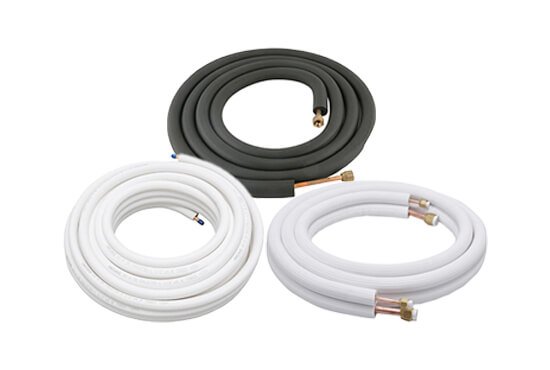
Copper Line Insulation for HVAC, Plumbing and Industrial Systems
Copper line insulation plays a critical role in maintaining thermal efficiency, preventing condensation and protecting copper piping used in HVAC, refrigeration, plumbing and industrial fluid systems. Although copper is an excellent conductor of heat, this property makes insulation essential to control temperature loss or gain during operation.
In modern building services and industrial installations, copper line insulation is considered a standard requirement for energy efficiency, safety and long-term system reliability.
What is Copper Line Insulation?
Copper line insulation refers to thermal insulation materials applied over copper pipes or tubing to reduce heat transfer between the pipe and the surrounding environment. It is used on both hot and cold copper lines to stabilize fluid temperature and protect nearby surfaces.
Insulated copper lines are commonly found in air-conditioning refrigerant circuits, chilled water systems, hot water plumbing and industrial process piping.
Why Copper Line Insulation is Essential
Uninsulated copper lines can cause significant energy loss in hot water systems and excessive heat gain in chilled or refrigerant lines. In cold applications, surface condensation can form, leading to corrosion, mold growth and damage to ceilings or walls. Copper line insulation eliminates these problems while improving overall system efficiency.
Key Functions of Copper Line Insulation
- Reduces heat loss and heat gain
- Prevents condensation and moisture damage
- Improves energy efficiency and system performance
- Protects copper lines from external corrosion
- Enhances occupant safety by controlling surface temperature
Materials Used for Copper Line Insulation
Elastomeric Rubber Insulation
Elastomeric rubber is the most widely used material for copper line insulation in HVAC and refrigeration systems. Its closed-cell structure provides excellent thermal resistance and acts as an effective vapor barrier, preventing moisture ingress.
Polyethylene (PE) Foam Insulation
Polyethylene foam is a lightweight and economical option for copper line insulation in residential plumbing and moderate-temperature systems. It offers adequate thermal performance for standard applications.
Cross-Linked Polyethylene (XLPE)
XLPE insulation provides improved durability and thermal stability, making it suitable for commercial installations and exposed copper line insulation applications.
Fiberglass Insulation with Jacket
Fiberglass insulation is used where higher temperature resistance is required. With an external protective jacket, it serves as effective copper line insulation in industrial and large commercial systems.
Recommended Thickness for Copper Line Insulation
| Application | Typical Insulation Thickness |
|---|---|
| Residential hot water lines | 6–9 mm |
| HVAC refrigerant lines | 9–13 mm |
| Commercial chilled water systems | 13–19 mm |
| Industrial process piping | 19 mm and above |
Standards Related to Copper Line Insulation
Materials used for copper line insulation should comply with international standards to ensure performance and safety:
- ASTM C534 – Elastomeric insulation materials
- ASTM C547 – Mineral fiber insulation
- EN 14304 – Thermal insulation for building services
- ASHRAE guidelines – HVAC insulation practices
Copper lines themselves are typically manufactured to ASTM B88 or ASTM B280 standards depending on the application.
Manufacturing and Application of Copper Line Insulation
Copper line insulation may be factory-applied or installed on-site. Factory-insulated copper lines ensure uniform thickness and reduced installation time. On-site insulation allows flexibility for fittings, joints and field modifications.
Proper surface preparation and correct joining of insulation sections are critical to maintaining insulation continuity.
Installation Best Practices for Copper Line Insulation
To achieve maximum performance from copper line insulation, installers should ensure continuous coverage along the entire pipe run. All joints, seams and penetrations must be sealed to prevent moisture ingress.
Outdoor installations require UV-resistant jackets or coatings to protect insulation from environmental degradation.
Applications of Copper Line Insulation
HVAC & Refrigeration
- Air conditioner refrigerant suction and liquid lines
- VRF and VRV systems
- Chillers and heat pumps
Plumbing & Hot Water Systems
- Domestic hot water distribution
- Solar water heating systems
Industrial & Utility Systems
- Process heating and cooling lines
- Power plant utility piping
- Instrumentation copper tubing
Advantages of Copper Line Insulation
- Lower energy consumption and operating cost
- Extended service life of copper lines
- Reduced condensation-related damage
- Improved system reliability and safety
- Compliance with energy efficiency codes
Quality Control for Copper Line Insulation
High-quality copper line insulation is tested for thermal performance, moisture resistance, fire behavior and durability. Insulation thickness, density and adhesion are inspected to ensure long-term performance.
Conclusion
Copper line insulation is an essential component of modern HVAC, plumbing and industrial piping systems. By controlling heat transfer and preventing condensation, it enhances energy efficiency, protects infrastructure and ensures long-term system reliability.
When selected according to application requirements and installed following best practices, copper line insulation delivers consistent performance and long-term value across residential, commercial and industrial environments.