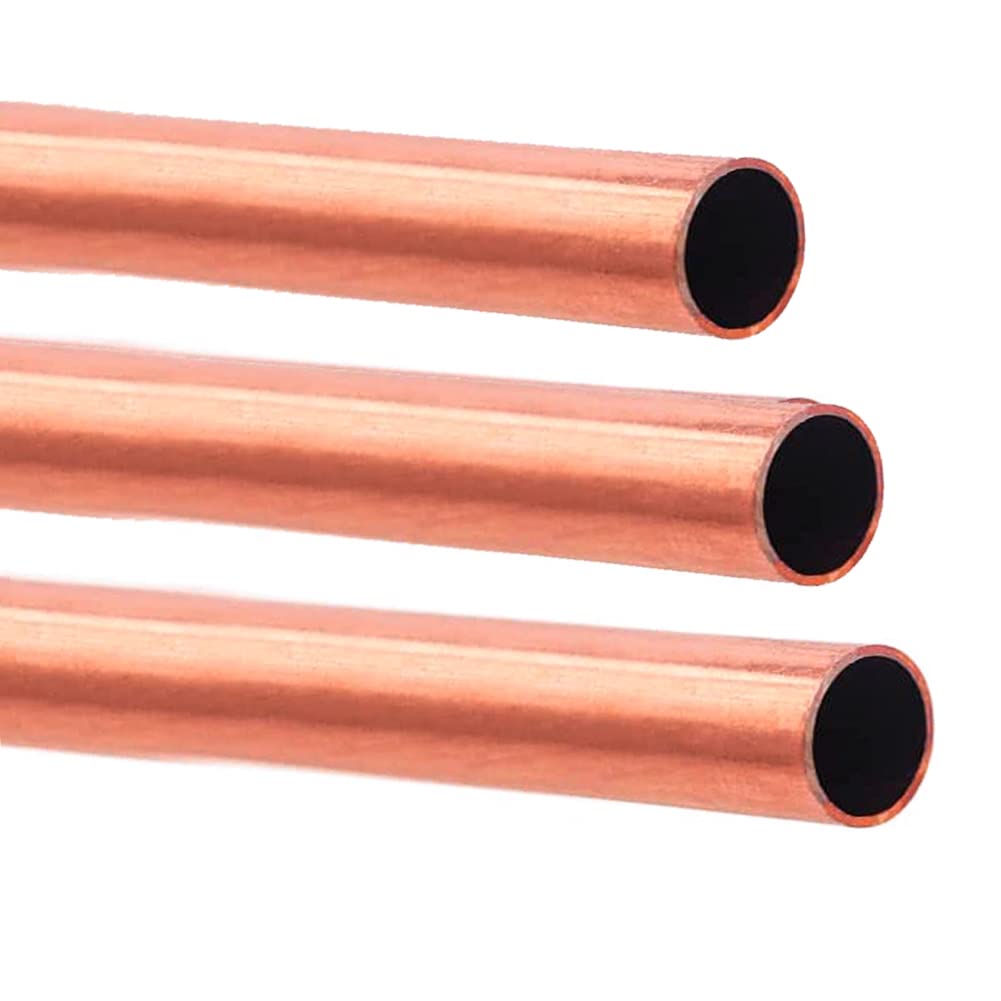
Copper Tubing Standards – International Specifications and Applications
Copper tubing standards define the technical requirements for copper tubes used across plumbing, HVAC, refrigeration, gas, medical, marine and industrial systems. These standards specify chemical composition, mechanical properties, dimensions, cleanliness and testing to ensure safety and consistent performance.
For engineers, consultants and manufacturers, understanding copper tubing standards is essential for selecting the correct material for pressure, temperature and service conditions.
What Are Copper Tubing Standards?
Copper tubing standards are official specifications published by recognized standards organizations. They govern how copper tubing is manufactured, tested and supplied for specific applications such as potable water, refrigerant transport or medical gas distribution.
Compliance ensures interchangeability, regulatory approval and long-term system reliability.
Why Copper Tubing Standards Are Important
Adhering to copper tubing standards is critical to system safety. Tubing manufactured outside approved standards may fail under pressure, contaminate fluids or be rejected during inspection.
Standards also simplify global trade and ensure consistent quality across manufacturers.
Major International Copper Tubing Standards
ASTM Copper Tubing Standards (USA)
ASTM specifications are the most widely adopted copper tubing standards worldwide.
- ASTM B88 – Seamless copper water tube (Types K, L, M)
- ASTM B280 – Copper tubing for refrigeration and gas service
- ASTM B819 – Medical gas copper tubing
- ASTM B75 – Seamless copper tube for general engineering
EN Copper Tubing Standards (Europe)
European copper tubing standards are defined by EN specifications.
- EN 1057 – Copper tubes for water and gas
- EN 12735 – Copper tubes for refrigeration and air conditioning
Indian Copper Tubing Standards (IS)
In India, copper tubing standards are governed by BIS.
- IS 1545 – Copper tubes for plumbing and gas
- IS 2501 – Copper tubes for refrigeration and AC systems
Japanese Copper Tubing Standards (JIS)
- JIS H3300 – Copper and copper alloy tubes
Copper Grades Specified in Copper Tubing Standards
Most copper tubing standards specify high-purity copper alloys for reliability and corrosion resistance:
- C12200 – Phosphorus-deoxidized copper (most common)
- C10200 – Oxygen-free copper (high-purity applications)
Wall Thickness Types Defined by Copper Tubing Standards
Some copper tubing standards classify tubes based on wall thickness:
- Type K – Thick wall, high-pressure and underground service
- Type L – Medium wall, plumbing and HVAC standard
- Type M – Thin wall, light-duty plumbing
Standard Sizes Under Copper Tubing Standards
| Nominal Size | Outside Diameter (mm) | Typical Application |
|---|---|---|
| 1/4 inch | 6.35 | Refrigeration, gas lines |
| 3/8 inch | 9.52 | HVAC refrigerant lines |
| 1/2 inch | 15.88 | Plumbing and HVAC |
| 3/4 inch | 22.23 | Commercial plumbing |
| 1 inch | 28.58 | Water mains, HVAC risers |
Pressure and Temperature Limits in Copper Tubing Standards
Copper tubing standards define allowable working pressures based on size, wall thickness and operating temperature. Thicker walls provide higher pressure ratings and greater safety margins.
Copper tubing performs reliably across a wide temperature range, from cryogenic refrigeration to hot water systems.
Manufacturing Requirements in Copper Tubing Standards
Compliant copper tubing standards typically require seamless extrusion followed by cold drawing and controlled annealing. Tubes must meet strict tolerances for diameter, wall thickness and straightness.
Cleanliness requirements are especially critical for refrigeration and medical gas tubing.
Testing and Inspection Under Copper Tubing Standards
Quality control under copper tubing standards includes:
- Chemical composition analysis
- Dimensional inspection
- Eddy current or ultrasonic testing
- Hydrostatic or pressure testing
- Surface finish and cleanliness checks
Applications Governed by Copper Tubing Standards
Plumbing and Potable Water
- Residential and commercial water supply
HVAC and Refrigeration
- Refrigerant and chilled water lines
Gas Distribution
- LPG, propane and natural gas systems
Medical and Industrial Systems
- Medical gas pipelines
- Process and utility piping
Benefits of Following Copper Tubing Standards
- Improved safety and reliability
- Regulatory and code compliance
- Long service life
- Predictable performance
- Ease of inspection and approval
Conclusion
Copper tubing standards are the foundation of safe and efficient piping systems worldwide. By specifying tubing manufactured to recognized ASTM, EN, IS or JIS standards, engineers and contractors ensure durability, compliance and long-term performance.
For plumbing, HVAC, gas, medical or industrial applications, adherence to the correct copper tubing standards is essential for system integrity and operational safety.