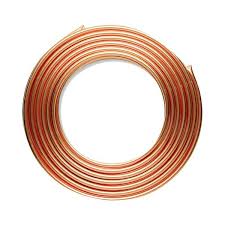
Natural Gas Copper Line for Safe Gas Distribution
Natural gas copper line systems are widely used for distributing natural gas in residential, commercial and selected industrial applications. Copper tubing offers excellent corrosion resistance, pressure-handling capability and long-term reliability, making it a trusted material where permitted by local codes and standards.
Due to its smooth internal surface and ease of installation, natural gas copper line piping is commonly used for indoor gas distribution and appliance connections.
What is Natural Gas Copper Line?
Natural gas copper line refers to copper tubing specifically approved for conveying natural gas under regulated pressure conditions. These lines are manufactured from high-purity copper and supplied in straight lengths or coils to reduce the number of joints and potential leak points.
When properly specified and installed, natural gas copper line systems provide safe, leak-free performance over extended service life.
Why Use Natural Gas Copper Line?
Copper has a long history in gas distribution systems due to its durability and resistance to internal corrosion. Unlike steel, copper does not rust and maintains a clean internal bore. The use of natural gas copper line allows flexible routing, faster installation and consistent gas flow.
Key Advantages of Natural Gas Copper Line
- Excellent corrosion resistance
- Smooth internal surface for steady gas flow
- Ease of bending and installation
- Long service life with minimal maintenance
- High reliability when installed to code
Material Grades Used in Natural Gas Copper Line
Natural gas copper line systems are manufactured from specific copper grades designed for gas service:
- C12200 – Phosphorus-deoxidized copper
- C10200 – Oxygen-free copper (special applications)
C12200 is the most commonly specified grade due to its excellent brazing and flaring characteristics.
Standards Governing Natural Gas Copper Line
Natural gas copper line installations must comply with applicable standards and local regulations:
- ASTM B88 – Copper water and gas pipe
- EN 1057 – Copper pipes for gas distribution
- NFPA 54 – National Fuel Gas Code
- IS 1545 – Copper tubes for gas (India)
Local codes should always be verified, as some regions restrict copper use for natural gas.
Sizes and Wall Thickness of Natural Gas Copper Line
| Nominal Size (in) | Outside Diameter (mm) | Typical Application |
|---|---|---|
| 3/8 | 9.52 | Small appliance connections |
| 1/2 | 12.70 | Residential gas distribution |
| 3/4 | 19.05 | Commercial gas systems |
| 1 | 25.40 | High-demand installations |
Manufacturing Process of Natural Gas Copper Line
Natural gas copper line tubing is produced through seamless extrusion and cold drawing to achieve precise dimensions and mechanical properties. Tubes are annealed for flexibility or supplied in hard-drawn condition depending on application requirements.
Strict quality checks ensure dimensional accuracy, material purity and cleanliness suitable for gas service.
Installation Best Practices for Natural Gas Copper Line
Safe installation of natural gas copper line systems is critical. Only approved joining methods such as flaring or brazing should be used. Soft soldering is not permitted for gas service.
- Use approved fittings and connectors
- Provide proper pipe supports and protection
- Avoid mechanical damage and vibration
- Pressure test and leak check after installation
Applications of Natural Gas Copper Line
Residential Applications
- Cooking appliances
- Domestic water heaters
- Space heating systems
Commercial Installations
- Restaurants and commercial kitchens
- Hotels and institutional buildings
Light Industrial Use
- Backup fuel systems
- Low-pressure process gas lines
Safety and Compliance for Natural Gas Copper Line
Safety is paramount in gas systems. Natural gas copper line installations must follow local regulations, including pressure testing, inspection and certification. Proper labeling and documentation further enhance system safety.
Quality Control and Testing of Natural Gas Copper Line
Manufacturers subject natural gas copper line products to chemical composition analysis, eddy current testing, dimensional inspection and pressure testing. These controls ensure compliance with standards and reliable field performance.
Conclusion
Natural gas copper line systems offer a reliable and durable solution for gas distribution where permitted by code. With excellent corrosion resistance, ease of installation and long service life, copper remains a trusted choice for natural gas piping in residential and commercial infrastructure.
When manufactured to recognized standards and installed according to best practices, natural gas copper line delivers safe, efficient and long-lasting performance.