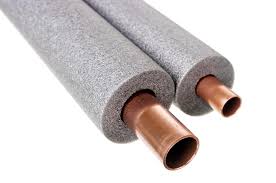
Best Insulation for Copper Hot Water Pipes | Materials, Benefits & Installation Guide
Insulating copper hot water pipes is an essential practice in plumbing, HVAC and building systems to reduce heat loss, prevent condensation, improve energy efficiency and extend the lifespan of piping infrastructure. Choosing the best insulation for copper hot water pipes depends on the system design, ambient conditions, temperature range and required performance characteristics.
Properly selected insulation minimizes thermal losses, reduces standby energy waste, and enhances comfort and performance for residential, commercial and industrial hot water systems.
Why Insulate Copper Hot Water Pipes?
Copper hot water pipes transport heated water at elevated temperatures. Without insulation, these pipes lose heat to the surrounding environment, resulting in:
- Increased energy consumption to maintain temperature
- Longer wait times for hot water at fixtures
- Higher operating costs
- Risk of condensation on cold surfaces in certain climates
Insulation preserves heat within the piping, reducing energy usage and improving system responsiveness.
Key Functions of Hot Water Pipe Insulation
- Minimizes heat loss and reduces energy waste
- Prevents condensation on pipes when exposed to cooler air
- Reduces noise from water flow and thermal expansion
- Protects pipes from external damage and corrosion
- Improves safety by reducing surface temperature exposure
Top Insulation Materials for Copper Hot Water Pipes
Elastomeric Rubber Insulation
Elastomeric rubber insulation is widely regarded as one of the best insulation materials for copper hot water pipes due to its closed-cell structure, excellent thermal resistance and moisture barrier properties. It is flexible, easy to install and resistant to mold and mildew. Elastomeric insulation maintains its R-value over a wide temperature range, making it ideal for both commercial and residential hot water systems.
Fiberglass Pipe Insulation
Fiberglass insulation wrapped around copper pipes provides high thermal resistance and is suitable for high-temperature applications. It is typically combined with a protective vapor barrier jacket to prevent moisture ingress. Fiberglass insulation is commonly used in industrial and commercial settings where higher temperature retention is required.
Polyethylene (PE) Pipe Insulation
Polyethylene insulation is a cost-effective solution that offers good thermal protection for copper hot water lines. While not as moisture-resistant as elastomeric rubber, PE insulation is suitable for moderate-temperature applications and environments where moisture exposure is limited.
Foam Insulation Tubing
Pre-formed foam insulation tubes designed to slip over copper hot water pipes provide quick installation and consistent coverage. These tubes come in various diameters and wall thicknesses, facilitating straightforward application without extensive cutting or sealing.
Comparing Insulation Materials
| Insulation Type | Thermal Performance | Moisture Resistance | Application Suitability |
|---|---|---|---|
| Elastomeric Rubber | High | Excellent | Residential, Commercial, Industrial |
| Fiberglass with Jacket | Very High | Good (with jacket) | Commercial & Industrial |
| Polyethylene (PE) | Moderate | Moderate | Residential Hot Water |
| Foam Tubing | Good | Good | Quick Installations |
Insulation Thickness Recommendations
Selecting the right insulation thickness for copper hot water pipes depends on pipe diameter, water temperature, ambient conditions and energy codes. Typical insulation thickness guidelines include:
- 6 mm – Small-diameter residential hot water lines
- 9 mm – Standard residential and light commercial pipes
- 13 mm – Larger pipes and systems requiring better retention
- 19 mm or greater – Commercial and industrial applications
thicker insulation enhances energy savings and protects pipes in harsher environments.
Standards and Specifications
Insulation materials used on copper hot water pipes should comply with relevant standards to ensure performance and safety:
- ASTM C534 – Elastomeric insulation materials
- ASTM C547 – Flexible closed-cell insulation
- EN 14304 – Thermal insulation products for building services
- ASHRAE Guidelines – HVAC insulation and energy efficiency
Copper pipes themselves often conform to standards such as ASTM B88 for potable water and general service.
Installation Best Practices
Proper installation of insulation on copper hot water pipes is critical for achieving energy efficiency and condensation control. Key installation practices include:
- Ensuring continuous coverage without gaps
- Sealing seams and joints with compatible tape or adhesive
- Applying protective jacketing in exposed environments
- Allowing adequate clearance for valves, fittings and expansion points
Insulation should be snug but not compressed, as compression can reduce thermal performance.
Applications of Copper Hot Water Pipe Insulation
Residential Plumbing Systems
- Hot water distribution in homes
- Solar hot water systems
Commercial Buildings
- Hotels, hospitals and multi-story plumbing networks
- Commercial kitchen hot water lines
Industrial Hot Water Systems
- Process heating and service water piping
- Steam condensate return lines
Benefits of Using Proper Insulation
- Lower energy consumption and reduced utility costs
- Improved system responsiveness and shorter wait times
- Reduced thermal stress on piping components
- Minimized condensation and corrosion risk
- Enhanced safety and reduced surface temperatures
Quality Control and Material Selection
Insulation materials should be selected based on thermal performance, moisture resistance, fire rating and compatibility with copper piping. Quality-rated products undergo testing for R-value, density and long-term performance under varying conditions.
Conclusion
Selecting the best insulation for copper hot water pipes is essential to enhance energy efficiency, reduce heat loss and protect plumbing infrastructure. Elastomeric rubber insulation stands out for its high thermal performance and moisture resistance, while fiberglass and PE options offer solutions tailored to specific needs.
Proper insulation selection and installation result in lower operating costs, improved comfort and extended service life for residential, commercial and industrial hot water systems.