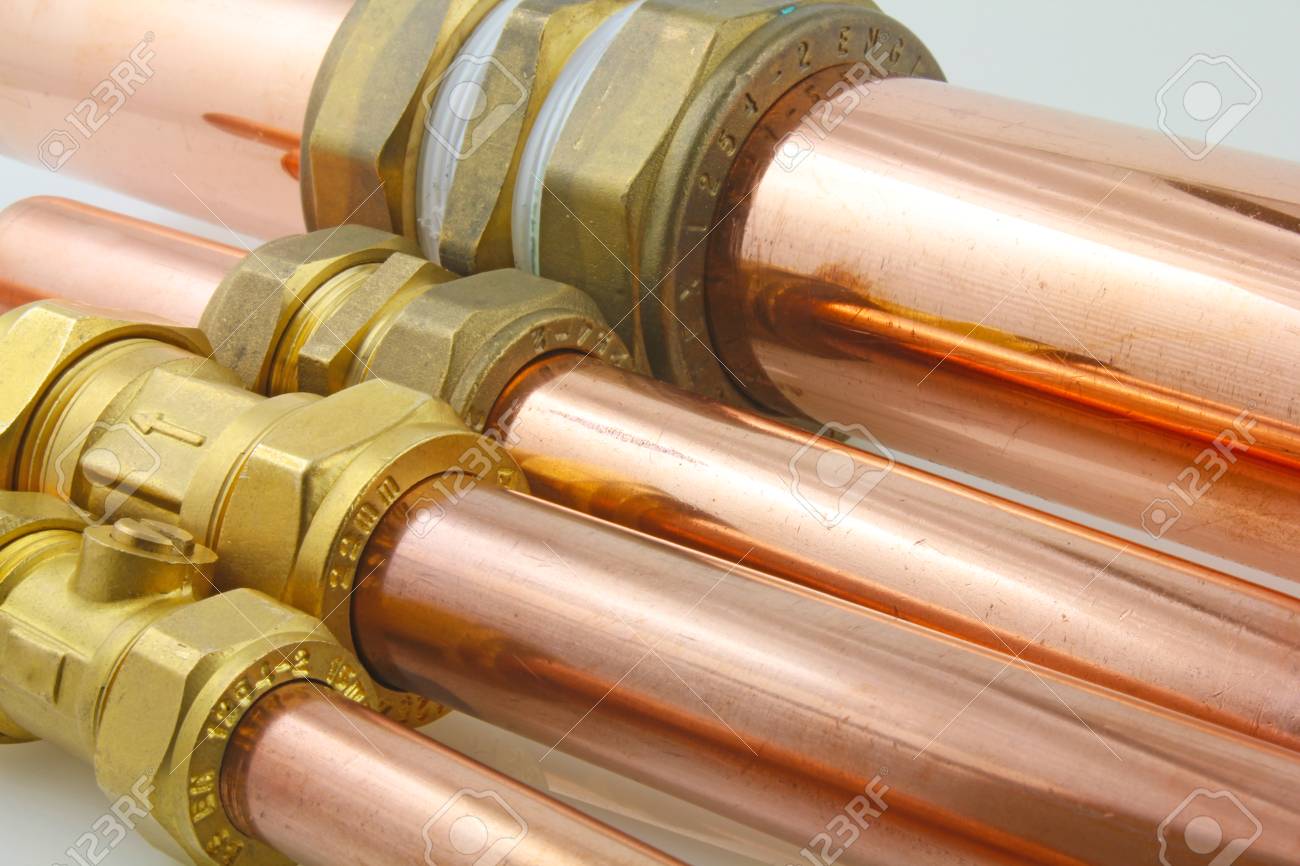
Compression Joint Copper Pipe for Plumbing and Industrial Systems
A compression joint copper pipe connection is a mechanical joining method used to connect copper pipes without soldering or brazing. This technique is widely used in plumbing, HVAC, refrigeration, and gas systems due to its simplicity, reliability, and ease of installation.
Compression joint copper pipe systems are especially useful in applications where heat-based joining is not practical or where quick installation and maintenance are required.
What is a Compression Joint Copper Pipe?
A compression joint copper pipe connection is formed using a compression fitting that includes a nut and a ferrule (olive). When tightened, the ferrule compresses against the pipe surface, creating a secure and leak-proof seal.
This type of joint is commonly used for both permanent and removable connections, offering flexibility in system design.
Components of a Compression Joint
A compression joint copper pipe assembly consists of the following components:
- Compression Body: The main fitting that houses the pipe
- Compression Nut: Applies pressure to secure the joint
- Ferrule (Olive): Deforms to create a tight seal
Working Principle
The compression joint copper pipe works on the principle of mechanical compression. When the nut is tightened, the ferrule is forced against the pipe and fitting body, forming a strong seal that prevents leakage.
This eliminates the need for heat, making the installation process faster and safer.
Types of Compression Joint Copper Pipe Connections
- Straight Joints: Connect two pipes of the same diameter
- Elbow Joints: Change the direction of flow
- Tee Joints: Allow branching of pipelines
- Reducing Joints: Connect pipes of different sizes
- Union Joints: Enable easy disconnection for maintenance
Advantages of Compression Joint Copper Pipe
- No need for soldering or brazing
- Quick and simple installation
- Suitable for confined spaces
- Reliable and leak-proof sealing
- Reusable in some applications
- Minimal tools required
These benefits make compression joints a preferred choice for maintenance and repair work.
Standards for Compression Joint Copper Pipe
Compression joint copper pipe systems are manufactured in accordance with international standards:
- ASME B16.22 – Copper fittings
- ASTM B88 – Copper water tube
- EN 1254 – Copper and copper alloy fittings
- IS 1545 – Copper piping standards
Compliance with these standards ensures quality, safety, and compatibility.
Material Grades Used
Compression joints are typically made from:
- C12200 – Phosphorus-deoxidized copper
- Brass – Commonly used for strength and durability
These materials offer excellent corrosion resistance and mechanical performance.
Sizes and Dimensions
| Pipe Size | Outer Diameter (mm) | Application |
|---|---|---|
| 1/4 inch | 6.35 | Instrumentation lines |
| 3/8 inch | 9.52 | HVAC systems |
| 1/2 inch | 15.88 | Plumbing systems |
| 3/4 inch | 22.23 | Commercial applications |
| 1 inch and above | 28.58+ | Industrial systems |
Installation Process
Installing a compression joint copper pipe involves the following steps:
- Cut the pipe to the required length and remove burrs
- Slide the compression nut onto the pipe
- Place the ferrule onto the pipe
- Insert the pipe into the fitting body
- Tighten the nut securely using appropriate tools
Proper installation ensures a leak-free and durable joint.
Applications of Compression Joint Copper Pipe
Plumbing Systems
- Water supply pipelines
- Repair and maintenance work
HVAC Systems
- Air conditioning pipelines
- Refrigeration systems
Gas Distribution
- LPG and natural gas systems
- Low-pressure gas pipelines
Industrial Applications
- Process piping systems
- Utility and service lines
Limitations of Compression Joints
- Not suitable for very high-pressure systems
- Requires proper tightening to prevent leaks
- May need periodic inspection in critical applications
Conclusion
Compression joint copper pipe systems provide a reliable and efficient method for connecting copper pipes without the need for heat. Their ease of installation, flexibility, and dependable sealing make them an essential solution in modern plumbing, HVAC, and industrial applications.
When installed correctly and used within appropriate conditions, compression joints ensure long-term performance, safety, and efficiency in piping systems.