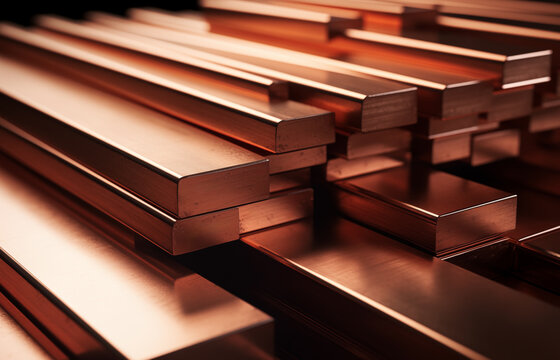
Copper Bars
Copper bars are one of the most essential forms of copper products used across electrical, power distribution, construction, marine, and industrial manufacturing sectors. Known for their excellent electrical conductivity, thermal performance, and corrosion resistance, copper bars are widely utilized in applications where efficient energy transfer and durability are critical.
From electrical busbars and switchgear systems to precision engineering components, copper bars provide superior performance and long service life, making them a preferred choice for manufacturers and engineers worldwide.
What are Copper Bars?
Copper bars are solid rectangular or square sections of copper produced through extrusion, rolling, or casting processes. These bars are designed to deliver high conductivity and mechanical strength, making them suitable for both structural and electrical applications.
Copper bars are available in various sizes, shapes, and grades to meet diverse industrial requirements.
Types of Copper Bars
Copper bars are categorized based on shape and application:
- Flat Copper Bars: Used in electrical panels and busbars
- Square Copper Bars: Used in structural and machining applications
- Rectangular Copper Bars: Common in power distribution systems
- Round Copper Bars: Used for machining and fabrication
Each type offers specific advantages depending on the application.
Key Properties of Copper Bars
- Excellent electrical conductivity
- High thermal conductivity
- Superior corrosion resistance
- Good machinability and formability
- High durability and long service life
Copper Grades Used
Copper bars are manufactured using high-purity copper grades such as:
- C11000 – Electrolytic tough pitch (ETP) copper
- C10100 – Oxygen-free copper (OFHC)
- C12200 – Phosphorus-deoxidized copper (DHP)
The selection of grade depends on conductivity requirements and application conditions.
Applicable Standards
Copper bars are produced in compliance with international standards:
- ASTM B187 – Copper bus bars and shapes
- ASTM B152 – Copper sheet and plate compatibility
- EN standards for copper flat products
- IS standards for copper bars
Compliance ensures consistent quality and performance.
Sizes and Dimensions
| Thickness (mm) | Width (mm) | Typical Application |
|---|---|---|
| 3 – 10 | 20 – 100 | Electrical panels |
| 10 – 25 | 50 – 150 | Busbars and switchgear |
| 25 – 50 | 100 – 300 | Power distribution systems |
| Custom | Custom | Industrial fabrication |
Manufacturing Process
The production of copper bars involves multiple steps:
- Melting and casting of copper billets
- Hot rolling or extrusion to desired shape
- Cold finishing for dimensional accuracy
- Annealing to enhance ductility
- Surface finishing and inspection
Advanced manufacturing techniques ensure high-quality output and consistent performance.
Applications of Copper Bars
Electrical and Power Systems
- Busbars in switchgear and panels
- Transformers and substations
Industrial Manufacturing
- Machining components
- Fabrication structures
Construction Industry
- Grounding systems
- Structural applications
Marine and Offshore
- Corrosion-resistant components
Automotive and Engineering
- Electrical connectors
- Heat transfer components
Advantages of Copper Bars
- High conductivity for efficient energy transfer
- Long service life with minimal maintenance
- Excellent resistance to environmental conditions
- Easy fabrication and installation
- Recyclable and eco-friendly
Surface Finishes
- Mill finish
- Bright finish
- Tin-plated copper bars
- Polished surfaces
Quality Control and Testing
Copper bars undergo strict quality checks:
- Chemical composition analysis
- Dimensional inspection
- Electrical conductivity testing
- Mechanical property testing
These tests ensure compliance with international standards and customer specifications.
Conclusion
Copper bars are a vital component in modern industrial and electrical systems, offering unmatched conductivity, durability, and versatility. Their wide range of applications across industries highlights their importance in efficient energy transfer and structural performance.
With proper material selection, adherence to standards, and precision manufacturing, copper bars deliver reliable and long-lasting performance in demanding applications worldwide.