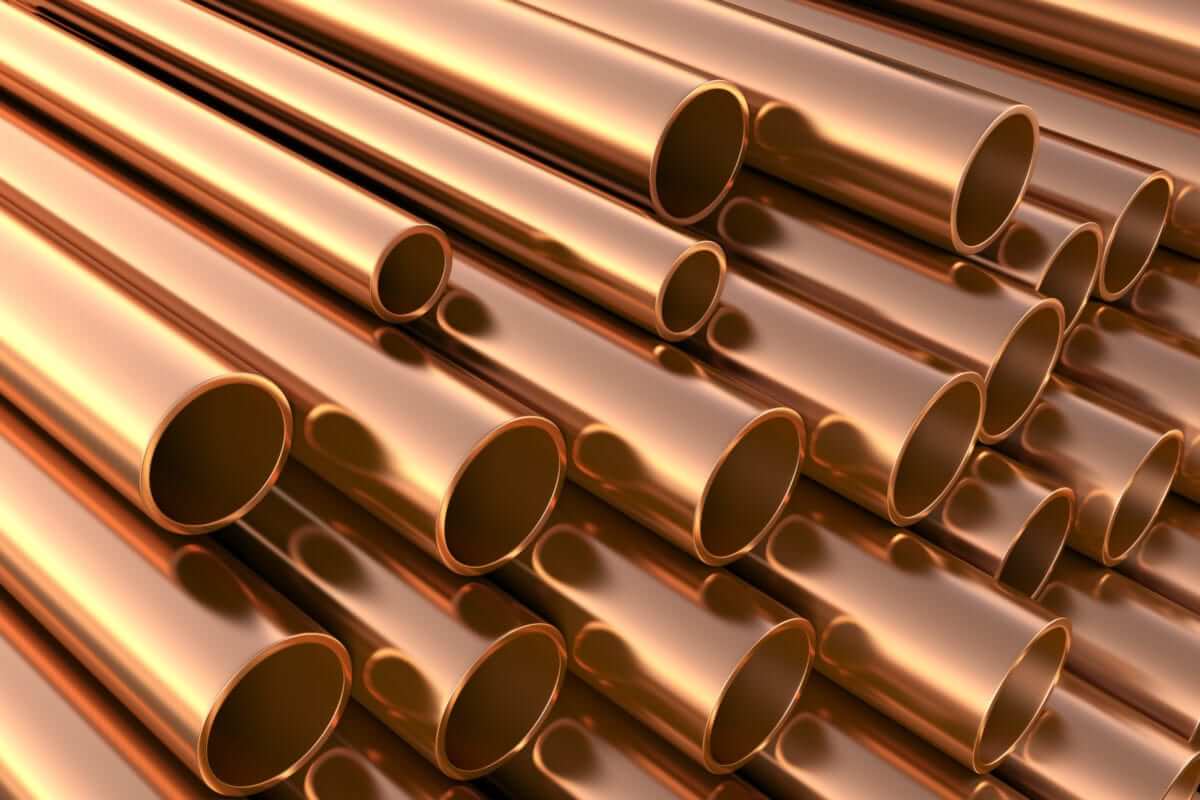
Copper Fitting Pipe
Copper fitting pipe refers to the combination of copper pipes and fittings used to create a complete piping system for fluid and gas transport. These systems are widely used in plumbing, HVAC, refrigeration, gas distribution, and industrial applications due to their durability, corrosion resistance, and high performance.
Copper fittings play a critical role in connecting pipes, changing flow direction, and ensuring leak-proof operation across various applications.
What is Copper Fitting Pipe?
Copper fitting pipe systems consist of copper pipes along with a variety of fittings such as elbows, tees, couplings, reducers, and caps. These components are designed to work together to create a seamless and efficient piping network.
They are widely preferred due to their compatibility, ease of installation, and long service life.
Types of Copper Pipe Fittings
- Elbows (45° & 90°): Used to change direction of flow
- Tees: Used to create branch connections
- Couplings: Used to join two pipes
- Reducers: Used to connect pipes of different sizes
- Caps & Plugs: Used to close pipe ends
- Unions: Allow easy disassembly for maintenance
Key Properties
- Excellent corrosion resistance
- High strength and durability
- Leak-proof and reliable performance
- High thermal conductivity
- Long service life
Copper Grades Used
- C12200 – Phosphorus-deoxidized copper (DHP)
- C12000 – Low residual phosphorus copper
Applicable Standards
- ASTM B88 – Copper water tubes
- ASME B16.22 – Wrought copper fittings
- EN 1254 – Copper fittings
- IS 1545 – Copper tubes for plumbing
Applications of Copper Fitting Pipe
Plumbing Systems
- Hot and cold water distribution
- Residential and commercial piping
HVAC Systems
- Heating and cooling pipelines
- Refrigeration systems
Gas Systems
- LPG and CNG piping
- Medical gas pipelines
Industrial Applications
- Process piping systems
- Utility fluid transport
Advantages
- Easy installation and maintenance
- High reliability and leak resistance
- Compatible with multiple joining methods
- Resistant to high temperatures and pressure
Installation Methods
- Soldering
- Brazing
- Compression fittings
- Press-fit systems
Quality Control
- Dimensional inspection
- Pressure testing
- Chemical composition analysis
- Leak testing
Conclusion
Copper fitting pipe systems are essential for building efficient and durable piping networks. Their versatility and reliability make them a preferred choice across plumbing, HVAC, gas, and industrial sectors.
By selecting high-quality copper pipes and fittings and ensuring proper installation, these systems provide long-term performance and operational safety.