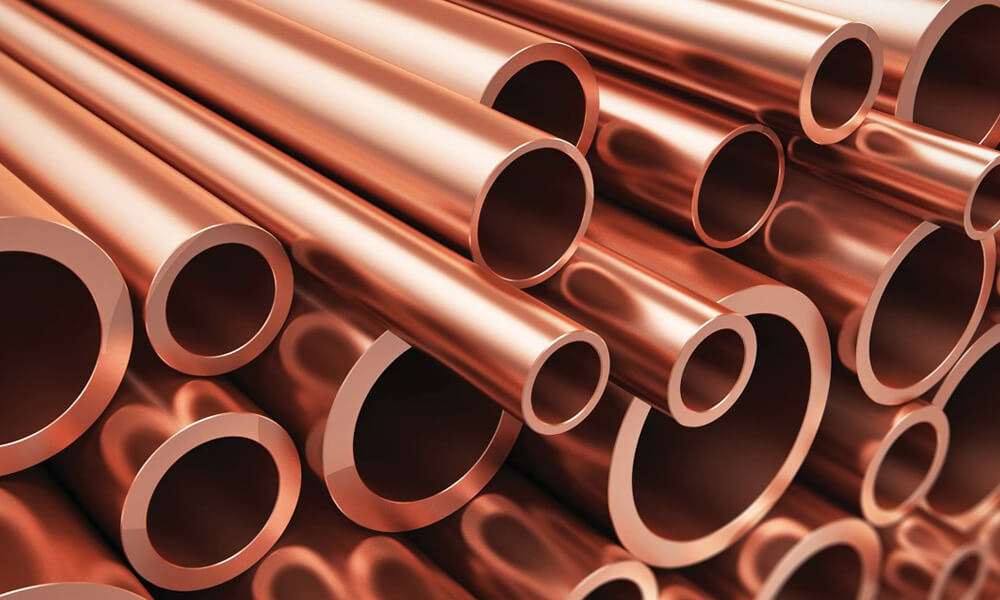
Copper Pipe Coupling for Secure and Efficient Pipe Connections
Copper pipe coupling is a fundamental component used to connect two copper pipes in a straight line, ensuring a continuous and leak-proof flow of fluids or gases. It is widely used in plumbing, HVAC, refrigeration, gas distribution and industrial piping systems where reliability and durability are critical.
Designed for strength and performance, copper pipe couplings are manufactured using high-quality copper and are compatible with multiple joining techniques such as soldering, brazing, compression and press fittings.
What is a Copper Pipe Coupling?
A copper pipe coupling is a short cylindrical fitting that joins two copper pipes of the same diameter. It ensures seamless flow within piping systems and is essential for extending pipe length or repairing damaged sections.
These couplings are designed to withstand pressure, temperature variations and environmental conditions, making them suitable for both residential and industrial use.
Types of Copper Pipe Coupling
Standard Coupling
Used to connect two pipes of the same size in a straight line.
Reducing Coupling
Used to join pipes of different diameters while maintaining smooth flow.
Compression Coupling
Uses compression rings to create a tight seal without the need for heat.
Press Coupling
Installed using press tools for fast and secure connections.
Slip Coupling
Allows sliding adjustment, commonly used for repair and maintenance work.
Materials and Construction
Copper pipe couplings are typically made from high-grade copper such as C12200, known for its superior corrosion resistance and thermal conductivity.
- High corrosion resistance
- Excellent thermal conductivity
- Strong mechanical properties
- Long service life
Technical Specifications
| Parameter | Details |
|---|---|
| Material | Copper (C12200) |
| Size Range | 1/4 inch to 4 inch |
| Standards | ASTM B88 / ASTM B280 / EN 1254 |
| Connection Types | Solder / Compression / Press |
| Applications | Plumbing, HVAC, gas, industrial |
Key Features
- Leak-proof and secure connections
- High resistance to corrosion
- Durable and long-lasting
- Easy installation and maintenance
- Compatible with various piping systems
Standards and Compliance
Copper pipe couplings are manufactured according to international standards to ensure quality and performance:
- ASTM B88 – Copper water tube compatibility
- ASTM B280 – Copper tubing for HVAC systems
- EN 1254 – Copper and copper alloy fittings
- ISO standards for piping systems
Applications of Copper Pipe Coupling
Plumbing Systems
Used in residential and commercial buildings for water supply and distribution.
HVAC Systems
Used in heating and cooling systems for efficient fluid flow.
Gas Distribution
Suitable for LPG and natural gas pipelines.
Industrial Applications
Used in refineries, power plants and manufacturing industries.
Marine Applications
Preferred for marine environments due to corrosion resistance.
Installation Methods
- Soldering for standard plumbing connections
- Brazing for high-pressure applications
- Compression fittings for quick installation
- Press fittings for modern piping systems
Advantages of Copper Pipe Coupling
- Strong and reliable pipe connections
- Low maintenance requirements
- Resistance to scaling and corrosion
- Long service life
- Versatile applications across industries
Maintenance and Longevity
Copper pipe couplings require minimal maintenance. With proper installation, they provide decades of reliable service without leakage or failure.
Why Choose Copper Pipe Coupling?
Copper pipe coupling offers unmatched durability and performance. Its ability to provide secure connections makes it an essential component in modern piping systems.
Conclusion
Copper pipe coupling is a vital fitting in plumbing, HVAC and industrial piping systems. Its reliability, corrosion resistance and ease of installation make it a preferred choice for professionals.
Choosing high-quality copper pipe coupling ensures long-term efficiency, safety and performance in all applications.