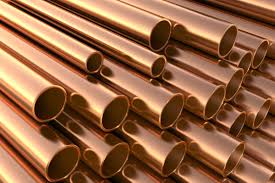
Copper Pipe Plumbing
Copper pipe plumbing is one of the most reliable and widely used systems for water distribution, heating, and gas supply in residential, commercial, and industrial applications. Known for its durability, corrosion resistance, and long service life, copper piping has been the preferred choice for decades.
From potable water systems to HVAC and medical gas lines, copper pipe plumbing ensures safe, efficient, and hygienic fluid transport.
What is Copper Pipe Plumbing?
Copper pipe plumbing refers to the use of copper pipes and fittings for transporting water, gases, and other fluids within a building or industrial system. These pipes are available in various sizes and wall thicknesses to suit different pressure and application requirements.
Copper plumbing systems are known for their strength, flexibility, and resistance to corrosion, making them suitable for both hot and cold water applications.
Types of Copper Pipes Used in Plumbing
- Type K: Thick wall pipes for underground and high-pressure systems
- Type L: Medium wall pipes for general plumbing and HVAC systems
- Type M: Thin wall pipes for residential plumbing
Key Properties
- Excellent corrosion resistance
- High thermal conductivity
- Antimicrobial properties
- Strong and durable structure
- Long service life
Applicable Standards
- ASTM B88 – Copper water tubes
- EN 1057 – Copper tubes for water and gas
- IS 1545 – Copper tubes for plumbing and LPG systems
Applications of Copper Pipe Plumbing
Residential Plumbing
- Hot and cold water supply systems
- Bathroom and kitchen piping
Commercial Buildings
- Water distribution networks
- Fire protection systems
HVAC Systems
- Heating pipelines
- Cooling and refrigeration lines
Gas Systems
- LPG and CNG distribution
- Medical gas pipelines
Advantages of Copper Pipe Plumbing
- Long-lasting and durable
- Low maintenance requirements
- Resistant to high temperatures
- Safe for drinking water
- Environmentally friendly and recyclable
Installation Methods
- Soldering
- Brazing
- Compression fittings
- Press-fit systems
Sizes and Dimensions
| Nominal Size | Outer Diameter (mm) | Typical Use |
|---|---|---|
| 1/2 inch | 15.88 | Branch water lines |
| 3/4 inch | 22.23 | Main residential supply |
| 1 inch | 28.58 | Commercial piping |
| 2 inch | 54.00 | Industrial systems |
Quality Control
- Dimensional inspection
- Pressure testing
- Chemical composition analysis
- Eddy current testing
Conclusion
Copper pipe plumbing remains a trusted solution for modern piping systems due to its durability, efficiency, and safety. Its wide range of applications across residential, commercial, and industrial sectors highlights its importance in reliable fluid transport.
By selecting the correct pipe type and ensuring proper installation, copper pipe plumbing systems deliver long-term performance with minimal maintenance.