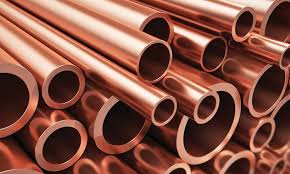
Copper Pipe Sizing for Plumbing, HVAC and Industrial Systems
Copper pipe sizing is a critical factor in the design and performance of piping systems used in plumbing, HVAC, gas distribution, and industrial applications. Proper sizing ensures efficient fluid flow, optimal pressure management, and long-term reliability of the system.
Incorrect copper pipe sizing can lead to pressure drops, flow inefficiencies, noise, and increased energy consumption. Therefore, understanding sizing standards, flow calculations, and application requirements is essential for engineers, contractors, and system designers.
What is Copper Pipe Sizing?
Copper pipe sizing refers to the process of selecting the appropriate pipe diameter and wall thickness based on system requirements such as flow rate, pressure, temperature, and application type. It involves evaluating internal diameter, nominal size, and allowable velocity for fluids or gases.
Copper pipes are typically sized using nominal pipe size (NPS) or outside diameter (OD), depending on regional standards and application requirements.
Importance of Proper Copper Pipe Sizing
- Ensures adequate flow rate
- Minimizes pressure loss
- Reduces energy consumption
- Prevents noise and vibration
- Improves system efficiency and lifespan
Proper copper pipe sizing is essential for achieving balanced system performance and cost efficiency.
Common Copper Pipe Types and Their Impact on Sizing
Different types of copper pipes have varying wall thicknesses, which affect internal diameter and flow capacity:
- Type K: Thick wall, smaller internal diameter, used for high-pressure systems
- Type L: Medium wall, commonly used in plumbing and gas systems
- Type M: Thin wall, larger internal diameter, used for low-pressure applications
Selecting the correct pipe type is crucial when determining copper pipe sizing.
Copper Pipe Sizing Standards
Copper pipe sizing follows international standards to ensure consistency and compatibility:
- ASTM B88 – Copper water tube (Types K, L, M)
- ASTM B280 – Copper tubing for HVAC systems
- EN 1057 – Copper tubes for water and gas systems
- IS 1545 – Copper pipes for plumbing and gas
These standards define dimensions, tolerances, and performance criteria for copper pipes.
Copper Pipe Sizing Chart
| Nominal Size | Outer Diameter (mm) | Approx. Internal Diameter (Type L) | Typical Application |
|---|---|---|---|
| 1/4 inch | 6.35 | ~4.5 mm | Instrumentation and small lines |
| 3/8 inch | 9.52 | ~7.5 mm | Residential plumbing |
| 1/2 inch | 15.88 | ~13 mm | Water supply systems |
| 3/4 inch | 22.23 | ~19 mm | Commercial piping |
| 1 inch | 28.58 | ~25 mm | Industrial applications |
Factors Affecting Copper Pipe Sizing
Several factors must be considered when determining copper pipe sizing:
- Flow Rate: Volume of fluid passing through the pipe
- Pressure Requirements: System operating pressure
- Pipe Length: Longer pipes increase friction loss
- Temperature: Affects fluid viscosity and expansion
- Velocity Limits: Prevents erosion and noise
Balancing these factors ensures optimal system performance.
Flow Velocity Guidelines
Recommended flow velocities for copper pipe sizing vary by application:
- Water systems: 0.6 – 2.4 m/s
- Hot water lines: Up to 1.5 m/s
- Gas systems: Based on pressure and density
- HVAC refrigerants: Depends on system design
Maintaining proper velocity helps prevent noise, erosion, and pressure loss.
Copper Pipe Sizing for Plumbing Systems
In plumbing systems, copper pipe sizing is determined based on fixture units, flow demand, and pressure availability. Residential systems typically use smaller diameters, while commercial buildings require larger pipes to handle higher demand.
Copper Pipe Sizing for HVAC Systems
HVAC systems require precise copper pipe sizing to ensure efficient refrigerant flow and heat transfer. Incorrect sizing can lead to reduced cooling efficiency and compressor damage.
Copper Pipe Sizing for Gas Distribution
Gas systems require careful copper pipe sizing to maintain pressure and ensure safe delivery. Pipe diameter must be selected based on gas type, pressure, and flow requirements.
Common Mistakes in Copper Pipe Sizing
- Undersizing leading to pressure drops
- Oversizing causing increased costs and inefficiency
- Ignoring pipe length and fittings
- Not considering temperature effects
Avoiding these mistakes ensures efficient and reliable system operation.
Advantages of Proper Copper Pipe Sizing
- Improved system efficiency
- Reduced energy consumption
- Enhanced lifespan of piping systems
- Lower maintenance costs
Conclusion
Copper pipe sizing is a fundamental aspect of designing efficient and reliable piping systems. By considering flow requirements, pressure conditions, and application standards, engineers can ensure optimal performance and safety.
Whether used in plumbing, HVAC, gas distribution, or industrial applications, proper copper pipe sizing guarantees long-term efficiency, cost savings, and system reliability.