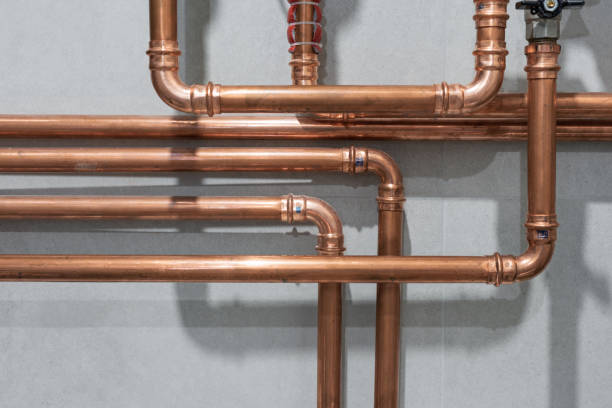
Copper Plumbing Connections for Efficient and Leak-Proof Systems
Copper plumbing connections are fundamental to the performance and reliability of modern water supply and piping systems. These connections ensure secure joining of copper pipes, allowing efficient fluid flow while preventing leaks and maintaining system integrity.
Widely used in residential, commercial, and industrial applications, copper plumbing connections are known for their durability, corrosion resistance, and compatibility with various installation methods. From potable water systems to HVAC and medical gas pipelines, copper remains a trusted material for high-performance plumbing infrastructure.
What are Copper Plumbing Connections?
Copper plumbing connections refer to the methods and components used to join copper pipes and tubes in a plumbing system. These connections can be permanent or removable, depending on the application requirements.
The primary goal of copper plumbing connections is to create a strong, leak-proof joint that can withstand pressure, temperature variations, and long-term use.
Types of Copper Plumbing Connections
Copper plumbing connections can be categorized based on the joining method used:
Soldered Connections
Soldering is one of the most common methods used in plumbing systems. It involves heating the joint and applying a filler metal (solder) to create a sealed connection.
- Suitable for low to medium pressure systems
- Common in residential plumbing
- Provides reliable and long-lasting joints
Brazed Connections
Brazing uses higher temperatures and stronger filler metals compared to soldering. It is widely used in HVAC and industrial systems.
- Ideal for high-pressure applications
- Provides stronger joints than soldering
- Used in refrigeration and gas systems
Compression Connections
Compression fittings create a seal using a compression ring and nut. These connections do not require heat and are easy to install.
- Quick installation
- Suitable for maintenance and repair work
- Reusable in some cases
Press-Fit Connections
Press-fit systems use mechanical pressing tools to create secure joints without heat. They are increasingly popular in modern plumbing systems.
- Fast and efficient installation
- Consistent joint quality
- Reduced labor time
Advantages of Copper Plumbing Connections
- Leak-proof and reliable joints
- High resistance to corrosion
- Long service life
- Compatibility with multiple joining methods
- Safe for potable water systems
- Ability to withstand high temperature and pressure
These advantages make copper plumbing connections ideal for critical applications where reliability is essential.
Standards for Copper Plumbing Connections
Copper plumbing connections must comply with international standards to ensure safety and performance:
- ASTM B88 – Copper water tube
- ASTM B75 – Seamless copper tube
- ASME B16.22 – Copper fittings
- EN 1254 – Copper and copper alloy fittings
- IS 1545 – Copper pipes for plumbing systems
Adhering to these standards ensures compatibility and reliability in piping systems.
Common Components Used in Copper Plumbing Connections
Copper plumbing connections involve various components that help achieve efficient system design:
- Elbows for directional changes
- Tees for branching
- Couplings for joining pipes
- Reducers for size transitions
- Unions for maintenance access
Applications of Copper Plumbing Connections
Residential Plumbing
- Drinking water supply systems
- Bathroom and kitchen piping
Commercial Buildings
- Hotels and hospitals
- Office complexes
HVAC Systems
- Chilled water lines
- Heating systems
Industrial Applications
- Process water systems
- Utility piping networks
Medical Systems
- Medical gas pipelines
- Clean and sterile installations
Best Practices for Copper Plumbing Connections
- Ensure proper cleaning of pipe surfaces before joining
- Use appropriate filler materials for soldering or brazing
- Follow recommended temperature guidelines
- Inspect joints for leaks and defects
- Use certified fittings and components
Following these practices ensures long-term performance and safety.
Common Issues and Solutions
- Leaks: Caused by improper joint formation – ensure proper technique
- Corrosion: Use high-quality materials and proper installation
- Pressure loss: Ensure correct pipe sizing and connection method
Conclusion
Copper plumbing connections are a vital part of modern piping systems, providing secure, durable, and efficient performance across a wide range of applications. Their versatility and reliability make them a preferred choice for engineers and contractors.
Whether used in residential plumbing, HVAC systems, or industrial installations, copper plumbing connections ensure long-lasting, leak-free operation and contribute to the overall efficiency and safety of the system.