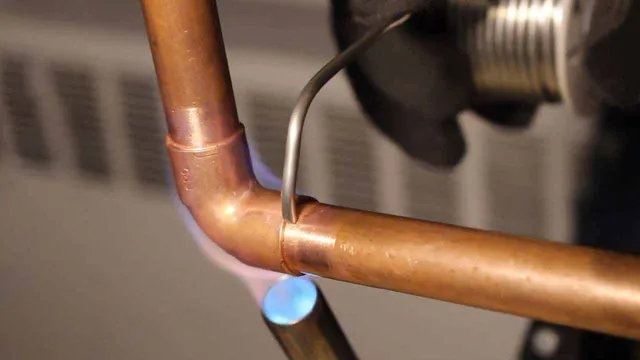
Resoldering Copper Pipe
Resoldering copper pipe is a critical repair technique used in plumbing, HVAC, and utility piping systems to fix leaking or improperly soldered joints. Over time, copper pipe joints may fail due to improper initial installation, thermal cycling, vibration, or corrosion. Resoldering restores the integrity of the joint without requiring complete pipe replacement.
In both residential and industrial environments, resoldering copper pipe provides a cost-effective and reliable solution for maintaining leak-free piping systems while minimizing downtime and repair costs.
What is Resoldering Copper Pipe?
Resoldering copper pipe refers to the process of reheating an existing soldered joint, removing defective solder if necessary, and reapplying fresh solder to create a secure and leak-proof connection. This process ensures that the joint regains its structural strength and sealing capability.
It is commonly performed in plumbing maintenance, HVAC servicing, and system retrofitting.
When is Resoldering Required?
Resoldering copper pipe becomes necessary under the following conditions:
- Leaking joints due to poor initial soldering
- Cracked or weakened solder connections
- Corrosion at joint areas
- System modifications or rework
- Thermal expansion damage
Identifying these issues early helps prevent major system failures.
Tools Required for Resoldering Copper Pipe
- Propane or MAP gas torch
- Pipe cutter
- Emery cloth or cleaning brush
- Flux
- Lead-free solder
- Heat-resistant gloves and safety gear
- Wire brush for cleaning old solder
Step-by-Step Resoldering Process
- Shut Off System: Ensure no fluid or pressure is present
- Drain the Pipe: Remove any residual water or fluid
- Heat the Joint: Use a torch to melt existing solder
- Disassemble if Needed: Separate the pipe and fitting
- Clean Surfaces: Remove old solder and oxidation
- Apply Flux: Prepare surfaces for bonding
- Reassemble Joint: Fit pipe securely into the fitting
- Heat and Apply Solder: Allow new solder to flow into the joint
- Cool Naturally: Avoid disturbing the joint during cooling
Key Advantages of Resoldering Copper Pipe
- Cost-effective repair method
- Extends lifespan of existing piping
- Quick and efficient repair process
- Minimizes system downtime
- Maintains system integrity
Common Mistakes to Avoid
- Not cleaning the joint properly
- Applying insufficient heat
- Overheating and damaging the pipe
- Using incorrect solder or flux
- Attempting to solder wet pipes
Avoiding these mistakes ensures a durable and leak-free repair.
Applications of Resoldering Copper Pipe
Plumbing Systems
- Repairing water supply lines
- Fixing leaking joints
HVAC Systems
- Maintenance of chilled water systems
- Repairing heating pipelines
Industrial Systems
- Utility piping repairs
- Process water systems
Standards and Compliance
Resoldering copper pipe should follow industry standards:
- ASTM B828 – Practice for capillary joints
- ASTM B32 – Solder metal specifications
- Local plumbing codes and regulations
Compliance ensures safety and long-term performance.
Safety Considerations
Proper safety measures must be followed during resoldering:
- Use protective equipment
- Ensure proper ventilation
- Keep flammable materials away
- Use fire-resistant mats if needed
Inspection and Testing
After resoldering, the joint must be inspected:
- Visual inspection for uniform solder flow
- Pressure testing for leaks
- Checking joint strength
Proper inspection ensures reliable system operation.
Conclusion
Resoldering copper pipe is an essential repair technique that helps maintain the performance and safety of piping systems across various industries. When performed correctly, it restores joint integrity and prevents leaks without the need for costly replacements.
By following proper procedures, using the right materials, and adhering to safety standards, resoldering copper pipe ensures long-lasting and efficient piping systems in residential, commercial, and industrial applications.