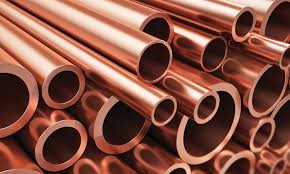
Copper Pipes – Complete Technical Guide, Standards, Sizes and Industrial Applications
Copper Pipes are among the most widely used piping materials in the world for the transportation of liquids and gases. Their popularity across residential, commercial, and industrial sectors is the result of a unique combination of properties: high thermal conductivity, excellent corrosion resistance, superior mechanical strength, long service life, and complete recyclability. From potable water and HVAC systems to medical gas networks, power plants, refineries, and marine installations, copper-based piping systems continue to be a global engineering standard.
Unlike plastic alternatives, copper does not degrade under ultraviolet radiation, does not soften at elevated temperatures, and does not release harmful compounds into drinking water. Compared with carbon steel, it offers better resistance to scaling, requires minimal corrosion protection, and provides significantly higher heat transfer efficiency. These characteristics make Copper Pipes a preferred choice wherever safety, performance, and durability are critical.
Material Properties and Performance
Copper possesses excellent thermal and electrical conductivity, making it ideal for applications involving heat exchange and temperature control. Its natural resistance to corrosion in most water chemistries and atmospheric conditions ensures long-term reliability without the need for internal coatings. The material also exhibits good ductility, allowing it to be formed, bent, and joined easily without cracking.
Another important advantage is hygiene. The antimicrobial nature of copper inhibits the growth of bacteria on internal surfaces, which is why it is widely used in drinking water systems and hospital gas pipelines. These inherent properties contribute to service lives that often exceed 50 years in building installations and several decades in industrial environments.
Types of Copper Pipes
Copper Pipes are manufactured in different tempers and wall thicknesses to suit specific applications and installation methods.
Hard Drawn Copper Pipes
Supplied in straight lengths, hard drawn pipes provide high rigidity and dimensional stability. They are commonly used for:
- Plumbing risers and distribution lines
- Fire sprinkler systems
- Natural gas and LPG pipelines
- Industrial process fluid lines
Soft Annealed Copper Pipes
Supplied in coils, these pipes are flexible and easy to bend, reducing the need for fittings. Typical applications include:
- Air-conditioning and refrigeration circuits
- Medical gas distribution
- Heat pumps and solar thermal systems
- Propane and LPG connections
ACR Grade Tubes (ASTM B280)
These are manufactured specifically for refrigeration and air-conditioning. They feature high internal cleanliness, low moisture content, and tight dimensional tolerances, making them suitable for VRF/VRV systems, chillers, condensers, and cold storage installations.
Medical Grade Copper Pipes
Produced under stringent cleanliness controls, these pipes are used for oxygen, vacuum, compressed air, and anesthetic gas lines in hospitals and laboratories.
High Pressure and Thick Wall Pipes
For hydraulic systems, power plants, and industrial gas transmission, thicker wall Copper Pipes are selected to withstand higher internal pressures and temperatures while maintaining high safety margins.
International Standards and Specifications
Copper Pipes are manufactured in accordance with globally recognized standards that define chemical composition, mechanical properties, dimensions, and pressure ratings.
ASTM Standards
- ASTM B88 – Seamless copper water tubes for plumbing and heating
- ASTM B280 – Tubing for air-conditioning and refrigeration
- ASTM B75 / B251 – Tubes for heat exchangers and condensers
European Standards
- EN 1057 – Copper tubes for water and gas
- EN 12735 – Tubes for refrigeration and air-conditioning
Other International Standards
- JIS H3300 – Japanese standard for seamless copper tubes
- ISO 274 – Tubes for plumbing and heating
- IS 1545 / IS 2501 – Indian standards for water supply and condenser tubes
Compliance with these standards ensures consistent quality, dimensional accuracy, and safe performance in global projects.
Standard Sizes and Pressure Classes
Copper Pipes are available in a wide range of diameters and wall thicknesses. Selection depends on flow rate, operating pressure, temperature, and installation method.
- Small diameters (6 mm – 28 mm): Used for refrigeration, medical gas, and instrumentation.
- Medium diameters (35 mm – 108 mm): Used for plumbing mains, HVAC distribution, and fire protection.
- Large diameters (114 mm and above): Used for heat exchangers, condensers, power plants, and marine cooling systems.
Wall thickness is selected according to the required pressure rating and safety factor defined by design codes and standards.
Applications Across Industries
HVAC and Refrigeration
- VRF and VRV systems
- Split and central air-conditioning
- Chillers and cold storage plants
- Heat pumps and condensers
Plumbing and Hot Water Systems
- Potable water distribution
- Solar water heating
- Hot water circulation
- Fire sprinkler networks
Gas Distribution
- LPG and propane pipelines
- Natural gas installations
- Industrial fuel gas systems
Medical Gas Systems
- Oxygen, vacuum, and medical air pipelines
- Hospital and laboratory gas networks
Power, Process, and Marine Industries
- Heat exchangers and condensers
- Cooling water and hydraulic systems
- Marine seawater and ballast lines
Copper Pipes for Gas and High-Pressure Service
Copper Pipes are approved in many countries for natural gas and LPG because of their high burst strength, leak-tight brazed and flared joints, and resistance to vibration and thermal expansion. For high-pressure applications, thicker wall classes and appropriate temper conditions are selected in accordance with safety regulations.
Insulation and Energy Efficiency
In HVAC and hot water systems, insulation is applied to Copper Pipes to minimize heat loss, prevent condensation, and improve overall energy efficiency. Common insulation materials include elastomeric rubber, polyethylene foam, XLPE, and mineral wool for high-temperature services.
Manufacturing, Quality Control, and Testing
Modern manufacturing involves hot extrusion, cold drawing, annealing, and precision finishing to achieve accurate dimensions and controlled mechanical properties. Quality control includes chemical analysis, dimensional inspection, eddy current testing, hydrostatic pressure testing, and surface cleanliness checks.
Manufacturers such as Indigo Metalloys Pvt. Ltd. supply Copper Pipes conforming to multiple international standards, supporting global HVAC, plumbing, medical, power, and industrial projects with consistent quality and traceability.
Jointing Methods and Installation Practices
Proper jointing and installation play a critical role in the long-term performance of copper piping systems. Depending on the application, operating pressure, and regulatory requirements, different connection methods are adopted to ensure leak-free and mechanically secure joints.
Brazed and Soldered Joints
Brazing is widely used for refrigeration, medical gas, and high-pressure applications due to its superior joint strength and resistance to vibration. Silver-based brazing alloys provide excellent capillary action and metallurgical bonding, making them suitable for critical service conditions. Soft soldering, on the other hand, is commonly used in plumbing and low-pressure heating systems where temperatures remain moderate.
Flared and Compression Connections
Flared joints are frequently employed in air-conditioning and gas installations. The flaring process creates a metal-to-metal seal that eliminates the need for additional sealing compounds and ensures long-term tightness. Compression fittings are also used in building services where ease of installation and maintenance is required.
Press-Fit Systems
Modern press-fit technology allows rapid installation with consistent joint quality. These systems are increasingly used in commercial plumbing and HVAC networks, offering reduced installation time and minimal hot work, which is particularly advantageous in occupied buildings and sensitive environments.
Corrosion Behaviour and Water Chemistry
The corrosion resistance of copper is one of its most valued properties. In most potable water systems, a thin protective oxide layer forms on the internal surface, providing long-term stability. However, water chemistry plays an important role in ensuring optimal performance.
Parameters such as pH, dissolved oxygen, hardness, and chloride content influence corrosion rates. Proper system design, correct material selection, and adherence to installation standards help prevent localized corrosion phenomena such as pitting or erosion-corrosion in high-velocity lines.
Thermal Expansion and System Design
All piping materials expand and contract with temperature changes. Copper has a predictable and relatively low coefficient of thermal expansion compared to many plastics, simplifying support and anchoring design. In long straight runs, expansion loops, offsets, or flexible sections are incorporated to accommodate movement and prevent stress buildup.
In HVAC and hot water systems, proper allowance for thermal movement ensures silent operation, prevents joint fatigue, and contributes to the overall reliability of the installation.
Fire Safety and Building Regulations
Copper is a non-combustible material and does not emit toxic fumes when exposed to fire. This property makes copper piping systems particularly suitable for high-rise buildings, hospitals, and public infrastructure where fire safety regulations are stringent. Unlike polymer-based systems, copper retains structural integrity at elevated temperatures, helping to maintain system containment during fire incidents.
Lifecycle Cost and Sustainability
When evaluating piping materials, lifecycle cost is often more important than initial material cost. Copper systems typically require minimal maintenance, have long service lives, and retain significant scrap value at the end of their operational life. This combination results in a lower total cost of ownership over decades of use.
From an environmental perspective, copper is 100% recyclable without loss of properties. A large percentage of new copper products contain recycled content, supporting sustainable construction practices and compliance with green building certifications.
Quality Assurance and Traceability
For critical applications, traceability from raw material to finished product is essential. Leading manufacturers implement batch identification, chemical certification, and mechanical testing in accordance with international standards. This ensures consistent quality, reliable performance, and full documentation for inspection authorities and project consultants.
Frequently Asked Technical Questions
Are copper pipes suitable for high-temperature steam systems?
Copper and copper alloys are widely used in heat exchangers and condensers. For very high-temperature steam lines, material selection depends on pressure, temperature, and code requirements, with appropriate wall thickness and alloy grades chosen accordingly.
Can copper be used for underground installations?
Yes, with proper protective sleeving or coatings, copper piping systems can be installed underground for water and gas distribution, offering long-term corrosion resistance and mechanical durability.
How does copper compare with plastic piping?
While plastic systems offer lower initial cost, copper provides superior temperature resistance, mechanical strength, fire safety, and longevity, making it a preferred choice for critical and long-life installations.
Conclusion
Copper Pipes remain a benchmark material for fluid and gas transportation due to their proven reliability, safety, thermal performance, and long service life. Their wide acceptance across international standards, combined with excellent mechanical and corrosion-resistant properties, makes them suitable for the most demanding residential, commercial, and industrial applications. With proper design, installation, and insulation, copper-based piping systems provide decades of trouble-free service, making them a long-term investment in performance and sustainability.